
Call
Text
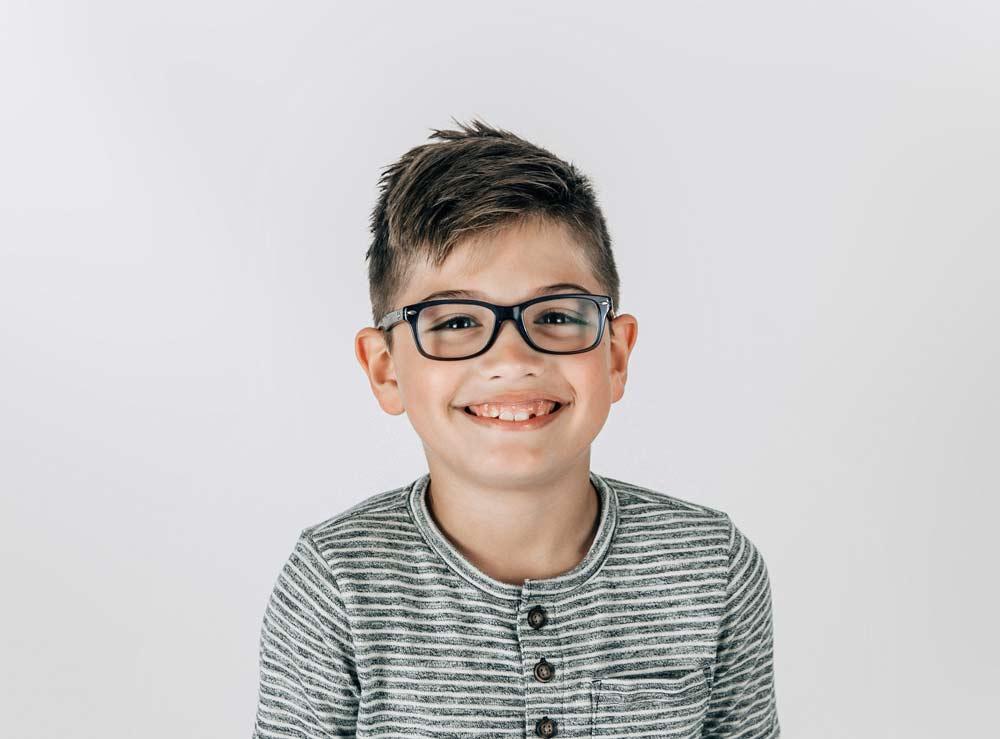
Pediatric Eye Exams in Lakeport
Children may not realize they have a vision problem because they don’t know what “normal” vision looks like. Regular eye exams are important to address any issues and ensure children’s eyes are healthy and developing normally.
At Konocti View Optometry, we offer pediatric eye exams in Lake County for children of all ages, from infants as young as 6 months to teens. We’re the only eye care practice in Lake County that sees infants, and we take the time and care to ensure every visit is comfortable, calm, and kid-friendly. You can feel confident that your child will receive consistent, comprehensive care as they grow.
During a pediatric eye exam, our eye doctor will assess your child’s vision and eye health. She will look for common eye conditions such as myopia (nearsightedness), amblyopia (lazy eyes), and strabismus (crossed eyes), and recommend treatment if any issues are detected.
When should my child have an eye exam?
Many parents are surprised to learn that children’s eye exams should start in infancy, long before a child can read an eye chart. The American Optometric Association (AOA) recommends the following exam schedule for children¹:
- 6–12 months: A child’s first eye exam should take place during infancy. This is when we check for early signs of eye health issues and make sure the eyes are developing properly.
- Ages 3–5: A preschool exam ensures your child’s vision is ready to support learning before they start school.
- Ages 6–17: Once your child starts school, we recommend that your child see our eye doctor once a year. Vision changes quickly during the school years, and many children won’t speak up about trouble seeing.
Even if your child passes a school vision screening, it’s important to know that these screenings only test basic distance vision. They don’t check for eye teaming, focusing problems, or other conditions that can affect learning. A comprehensive eye exam with our optometrist is the only way to get the full picture of their eye health.²
Signs your child may have a vision problem
Since children often don’t know what clear vision should look like, they may not tell you when something is wrong. Watch for these common signs that it may be time for an eye exam:
- Sitting very close to the TV or holding books/tablets too close to their face
- Squinting or tilting their head to see better
- Frequent eye rubbing, even when not tired (in infants and young children, eye rubbing can also be an early sign of a vision problem)
- One eye that turns in, out, up, or down
- Covering or closing one eye to read or watch TV
- Complaints of headaches or eye strain, especially after reading or screen time
- Difficulty reading, losing their place, or using a finger to track words
- Trouble concentrating in school, keeping up with classmates, or testing below grade level
- Avoiding reading, homework, or other close-up activities
- Sensitivity to light
- Watery or itchy eyes
Vision problems are frequently mistaken for learning difficulties. If your child is having trouble reading, concentrating, or keeping up in school, we recommend scheduling an eye exam to ensure that their vision isn’t a contributing factor.
If you notice any of these signs, we encourage you to call us rather than waiting for your child’s next scheduled exam. We’ll make sure your child is seen as soon as possible.
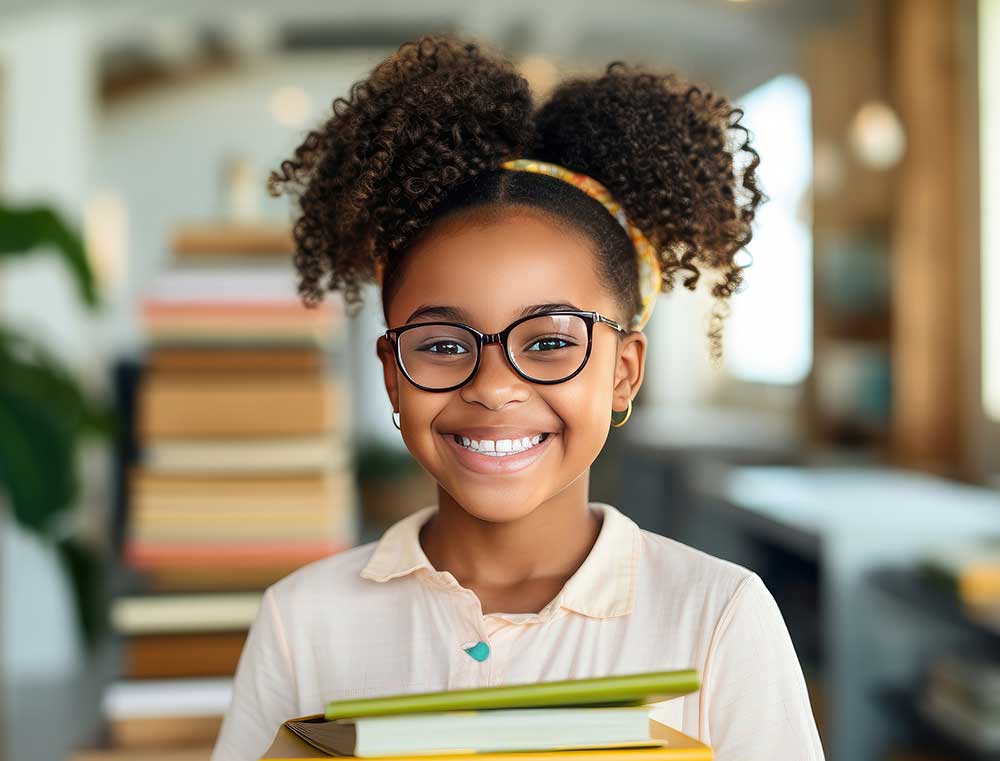
What to expect during a pediatric eye exam
During a pediatric eye exam, our experienced optometrist will start by asking about your child’s medical history, family history of eye conditions, and any concerns you may have about their vision. She will then check the following:
- Visual acuity at a distance and up close
- Eye alignment and movement
- Depth perception
- Color vision
- Peripheral vision
- Prescription
- Ocular health
Early detection of vision problems is key to preventing long-term issues that could impact your child’s learning and development.
Once the tests are done, our eye doctor will discuss her findings with you and provide recommendations for ongoing care. This might involve scheduling follow-up appointments to treat any vision problems or eye conditions found during the eye exam.
She may also recommend specialized services such as myopia management for nearsighted children or vision therapy for those with binocular vision issues. If your child needs glasses, we offer children’s eyewear in Lakeport in a variety of fun colors and designs. Our opticians can help you find the best lenses and frames for your child.


Indii Kids Frames
Kids can be tough on glasses, and Indii frames are built to handle it. Constructed from flexible Canflex plastic, these frames are exceptionally durable and designed to withstand the wear and tear of everyday childhood.
The 360° hinge, adjustable temple tips, and full and half strap options mean a secure, comfortable fit that holds up over time. Backed by an industry-leading 3-year warranty, Indii frames give parents peace of mind and kids a pair of glasses that can keep up with them.
Screens, blue light, & your child’s eyes
With children spending more time than ever on phones, tablets, and computers, it’s increasingly important to monitor how screen time is affecting their eyes. Prolonged device use can accelerate the progression of myopia (nearsightedness),³ and we can discuss myopia management options to help slow it down.
We also check for dry eye, which can occur in children who spend a lot of time on devices, and treat ocular allergies, including the watery, itchy eyes that are common in kids. For children who spend a lot of time on screens, we can recommend lenses that block blue light emitted by digital screens.
Schedule a pediatric eye exam in Lakeport
Remember that early detection and treatment of vision problems can make a significant difference in your child’s life. Schedule your child’s eye exam in Lakeport, and keep their eyes in the best shape possible!
Pediatric eye exam FAQ
When should my child have their first eye exam?
Children should have their first comprehensive eye exam between 6–12 months of age. Even before they can talk or read, an eye doctor can check that their eyes are developing properly and catch any concerns early on.
How do you test a child's vision if they can't read yet?
We have objective ways to measure vision that don’t rely on your child’s input, so it doesn’t matter if they’re old enough to talk or know their ABCs. This may include tracking how their eyes follow objects, using picture-based charts, or assessing how their eyes focus and work together.
Why isn’t a school vision screening enough?
School screenings only check basic distance vision and can miss many important issues. They don’t evaluate how the eyes work together, how well your child can focus, depth perception, or eye health. A comprehensive eye exam gives you a much more complete picture of how your child’s vision is developing.
How does outdoor time and screen time affect my child’s eye development?
Getting outside regularly is great for your child’s eyes and may even help lower the risk of developing nearsightedness. On the other hand, too much screen time, especially without taking breaks, can lead to eye strain and may contribute to vision changes over time.