
Call
Text
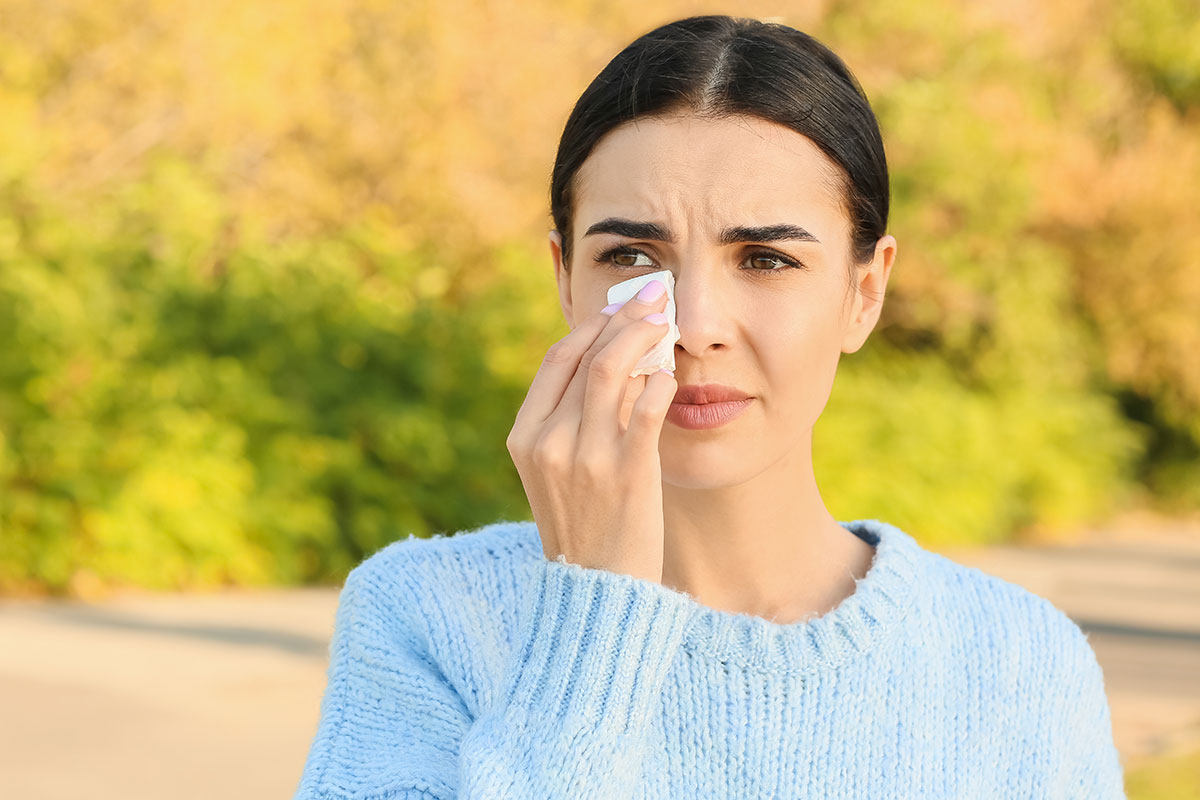
Allergic Conjunctivitis Treatment in Lakeport
If your eyes constantly feel itchy, irritated, watery, or swollen, you may be dealing with allergic conjunctivitis, also known as ocular allergies. As pollen seasons continue to get longer and more intense,¹ many patients are noticing symptoms starting earlier, lasting longer, and feeling more difficult to control.
At Konocti View Optometry, we diagnose and treat ocular allergies that occur seasonally or year-round. We help patients in Lake County find lasting relief from symptoms that often don’t improve with over-the-counter eye drops alone.
What is allergic conjunctivitis?
Allergic conjunctivitis is an inflammatory response that occurs when the eyes react to allergens such as pollen, dust, mold, or pet dander. When exposed to these triggers, the body releases histamines that cause the eyes to become red, watery, swollen, and intensely itchy.
Unlike dry eye disease, which is related to instability of the tear film, allergic conjunctivitis is caused by an immune system response. Even though they have different underlying causes, the two conditions often occur together and can make each other’s symptoms worse.
During a comprehensive eye exam, our eye doctor can determine whether your symptoms are caused by allergies, dry eye, or a combination of both, and recommend the most effective treatment plan for lasting relief.
Why eye allergies are so common in Lakeport
Lakeport and the surrounding Lake County region experience high seasonal allergy levels due to a unique geographic effect.
The surrounding hills release pollen from trees such as oak, ash, and mulberry, which then settles over the lake basin. This creates what many residents experience as a “pollen trap” effect, where allergens circulate and concentrate in the air, especially during windy or dry spring conditions.
This can lead to prolonged allergy seasons and more intense ocular symptoms compared to surrounding regions.
Common symptoms of eye allergies
Patients with ocular allergies often experience²:
- Intense itching (the most common symptom)
- Red or bloodshot eyes
- Watery or teary eyes
- Swollen eyelids
- Burning or irritation
- Feeling like there is dirt in your eyes
If you are experiencing persistent itching, it is more likely related to allergic conjunctivitis than dry eye disease, especially if symptoms flare seasonally. Allergies are often accompanied by other symptoms as well, such as sneezing, nasal congestion, a runny nose, or sinus pressure.
Treatment for ocular allergies in Lakeport
At Konocti View Optometry, Dr. Boyd tailors treatment based on the severity of your symptoms, how often they occur, and any underlying contributing factors.
Treatment options may include:
Prescription anti-inflammatory eye drops
For more severe or persistent allergic inflammation, we may recommend prescription eye drops to reduce the immune response and relieve symptoms.
Short-term topical steroids (for acute flare-ups)
In cases of significant inflammation, we may prescribe a short course of steroid drops to quickly calm severe allergic reactions that do not respond to standard treatment.
Advanced OTC recommendations
We can also recommend safer, more effective over-the-counter antihistamine or mast cell stabilizing drops that are appropriate for long-term use.
Dry eye and allergy co-management
When dry eye disease and ocular allergies occur together, we address both conditions at the same time to help stabilize the tear film and reduce ongoing irritation.
Get relief from eye allergies in Lakeport
Don’t waste money on the wrong eye drops or redness-relief products that only offer temporary relief. With the right diagnosis and care, allergic conjunctivitis can be managed effectively.
Get lasting relief from itchy, red, watery eyes and feel comfortable again year-round. Give us a call or request an appointment online today.
Frequently asked questions about ocular allergies
What is allergic conjunctivitis, and how is it different from pink eye?
Allergic conjunctivitis is an eye condition caused by an allergic reaction to irritants like pollen, dust, mold, or pet dander. It typically leads to intense itching, redness, watery eyes, and swelling in both eyes, especially during allergy seasons or after exposure to specific triggers.
“Pink eye” usually refers to infectious conjunctivitis caused by a virus or bacteria, which can be contagious. While it can also cause redness and irritation, it more often includes discharge, crusting, and less itching than allergies. The key difference is that allergic conjunctivitis is not contagious and is driven by allergens, while infectious pink eye is caused by an infection and can spread from person to person.
Can I use my nasal allergy spray for my itchy eyes?
Some nasal sprays may indirectly reduce overall allergy symptoms, but they do not directly treat ocular inflammation. If your primary symptoms are in your eyes, targeted eye treatments are typically more effective.
Are over-the-counter allergy drops safe to use every day?
Yes, but it depends on the type. Some allergy eye drops are safe for daily use, while others (especially redness-relief drops) should not be used long-term. An eye doctor can recommend the right drops and create a treatment plan to ensure they are used safely and effectively.
Can eye allergies cause blurred vision?
Yes, allergic inflammation, tear film disruption, and excessive tearing can all cause temporary blurred or fluctuating vision. If blurred vision continues, we recommend scheduling a comprehensive eye exam to rule out other underlying conditions, such as dry eye disease.