
Call
Text

Macular Degeneration Treatment in Lakeport
Age-related macular degeneration (AMD) is a common eye condition that affects your central vision. It can make everyday tasks like reading, driving, or recognizing faces more difficult. It typically affects people over the age of 50 and is a leading cause of vision loss in people 60 and older.¹
AMD often progresses silently, which means the best time to act is before you notice anything wrong. During comprehensive eye exams, we use advanced diagnostic tools to detect early changes and monitor your condition closely over time.
Many serious eye conditions, including glaucoma, macular degeneration, and diabetic eye disease, often develop without noticeable symptoms in their early stages. Regular annual eye exams are essential for detecting these issues early, when treatment is most effective. Early diagnosis and care can play a critical role in preventing or slowing vision loss.
Macular degeneration diagnosis
To help with early detection and ongoing monitoring, we use a combination of innovative diagnostic technologies:
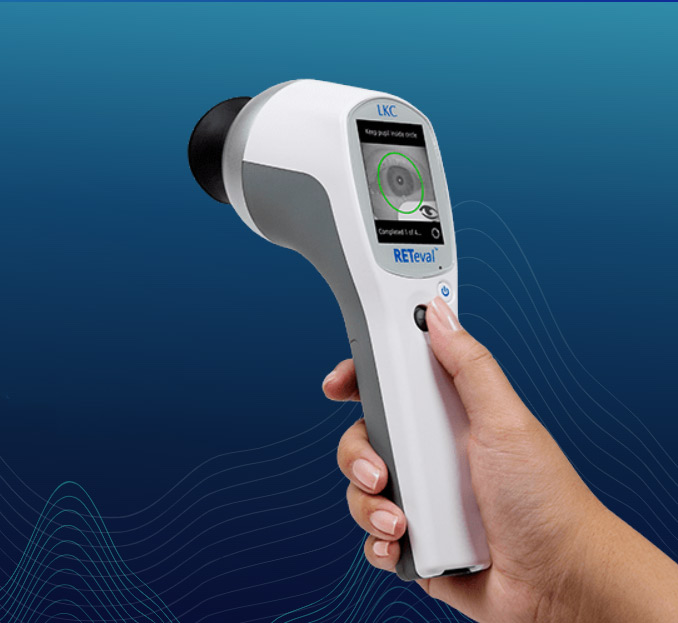
RETeval® ERG testing
This quick, non-invasive test measures the electrical activity in your retina. By assessing how your retina responds to light, RETeval® ERG helps us spot signs of macular degeneration (and other retinal issues) even before symptoms appear and monitor any changes over time.
Optical coherence tomography (OCT)
OCT imaging gives us a detailed, cross-sectional view of your macula, allowing us to detect structural changes—such as thinning or fluid accumulation—that can indicate early AMD or progression to wet AMD.
OCT angiography (OCT-A)
OCT-A provides a detailed look at the tiny blood vessels inside your retina. Changes in those vessels can be an early indicator of macular degeneration, and OCT-A lets us see them clearly, often before any vision changes occur. It’s a quick, comfortable scan with no dyes, no injections, and nothing touching your eye, and you can get back to your normal routine right away.
Macular degeneration treatment in Lakeport
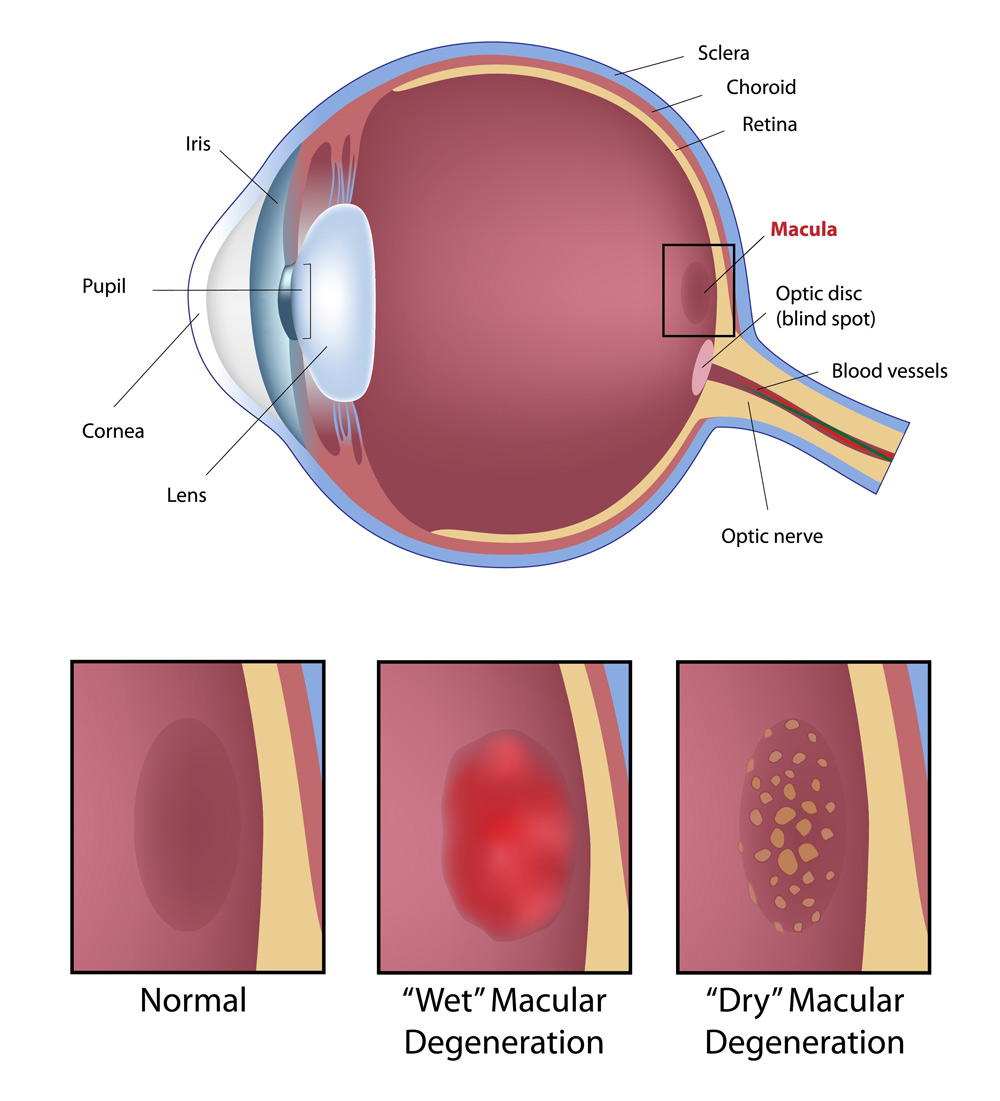
There are two main types of AMD: dry and wet AMD.²
Dry AMD
Most people with AMD have dry AMD (also called atrophic AMD),² which progresses over time as the macula becomes thinner and less functional.
While there is no cure for dry AMD, we can help you manage the condition and protect your remaining vision.
Dry AMD treatment may include:
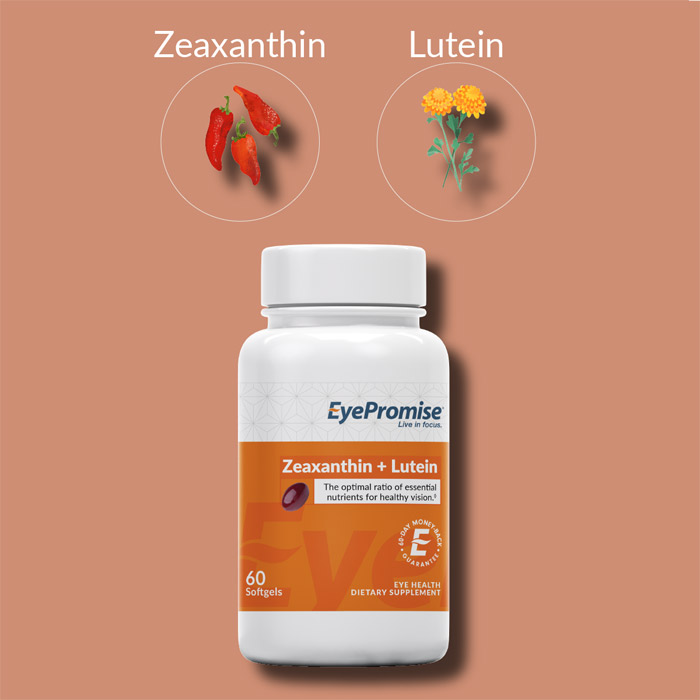
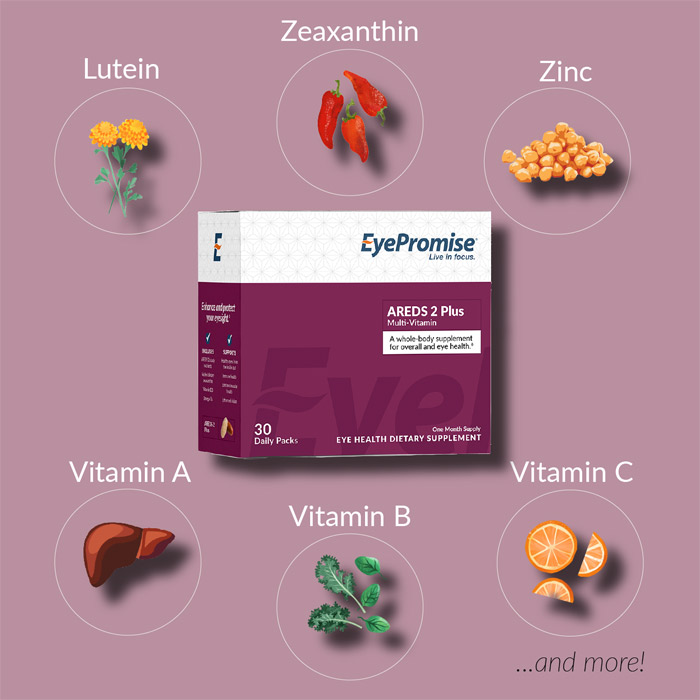
- Nutritional supplements (such as EyePromise® AREDS 2 Plus or Zeaxanthin + Lutein) to support retinal health
- Lifestyle changes such as maintaining a healthy diet and quitting smoking
- UV protection with high-quality sunglasses to help reduce light-related retinal stress
- Low vision aids such as magnifiers or special glasses
Wet AMD
Wet AMD occurs when abnormal blood vessels grow under the retina and leak fluid or blood, leading to rapid vision loss. This form is less common, but it tends to be more severe.³
When wet AMD is suspected or diagnosed, Dr. Boyd works closely with specialists for treatment and co-management. This includes collaboration with Dr. Eric Kahle at Eye Associates Medical Group and a retinal specialist at North Bay Vitreoretinal Consultants.
Treatment may include:
- Anti-VEGF injections to slow or stop abnormal blood vessel growth
- Ongoing monitoring and treatment adjustments based on the response.
Advanced treatment options for severe dry AMD
For patients with dry AMD that has progressed to geographic atrophy, additional treatments may be available. The retinal specialist we partner with can provide:
- SYFOVRE® injections: an FDA-approved treatment for geographic atrophy
- Valeda® photobiomodulation (PBM) therapy: a light-based therapy for dry AMD
Dr. Boyd evaluates patients for these treatments and refers to our specialist partners if necessary, or when a patient is interested in exploring these options. The retinal specialist works for a referral-only retinal specialty center.
Protect your vision with EyePromise® supplements
EyePromise® AREDS 2 Plus Multi-Vitamin and EyePromise® Zeaxanthin + Lutein provide clinically proven nutrients to help slow the progression of AMD and support long-term retinal health.
ORDER NOW
Schedule a macular degeneration exam in Lakeport
If you’re over 50 or have noticed vision changes, such as blurry vision, distortion, or dark spots, don’t wait. Early diagnosis is key to protecting your sight.
Schedule an appointment at Konocti View Optometry today to stay proactive about your eye health.
Macular degeneration FAQ
What does vision look like with macular degeneration?
AMD primarily affects your central vision—the sharp, detailed sight you rely on for reading, driving, and recognizing faces. You may notice symptoms such as:
- Blurry or distorted central vision
- Straight lines appearing wavy (a sign called metamorphopsia)
- Dark or blank spots in the center of your vision
- Difficulty seeing fine details or distinguishing colors
Your side (peripheral) vision usually stays the same, so AMD doesn’t typically lead to complete blindness. That said, losing central vision can still make everyday tasks much more challenging and affect your quality of life.
What causes macular degeneration?
AMD is caused by a combination of aging, genetics, and lifestyle factors. As we age, the macula—the central part of the retina—can break down or develop abnormal blood vessel growth. Key risk factors include:
- Being over 50
- Having a family history of AMD
- Smoking
- Poor diet
- Prolonged UV exposure
- Cardiovascular disease
Caucasians are also at a higher risk of developing AMD compared to other ethnic groups.
How can I prevent macular degeneration?
While you can’t change your age or genetics, lifestyle changes can reduce your risk or slow progression:
- Quit smoking—smoking significantly increases AMD risk
- Eat a diet high in leafy greens, colorful vegetables, and omega-3 fatty acids
- Wear UV-protective sunglasses whenever you’re outdoors
- Manage cardiovascular health (blood pressure, cholesterol)
- Take AREDS 2 supplements if recommended by your eye doctor
- Get annual comprehensive eye exams for early detection
Can macular degeneration be reversed?
Currently, there is no cure for either type of AMD, and we cannot restore vision that has already been lost. However, treatment can often slow or significantly reduce progression. When we identify AMD early, we have the best chance to help preserve your vision for as long as possible.