
Call
Text
Eye Exam in Lakeport
At Konocti View Optometry, our comprehensive eye exams in Lakeport, California, are designed to support your overall eye health, not just check your vision. We ensure that every patient has an unhurried visit where their concerns are heard, and their care is tailored to their life, not a checklist. That commitment to personalized attention is at the heart of everything we do.
I believe great eye care starts with really listening. Every patient’s eyes, and their daily life, are different. I take the time to understand how you use your vision, whether it’s long hours on a computer, driving at night, or helping your kids with homework. From there, I tailor your exam, treatment plan, and recommendations to fit you, not a one-size-fits-all plan.
Why annual eye exams are critical
Even if your vision seems fine, regular comprehensive eye exams are still important.¹ They give your eye doctor a chance to evaluate your eye health and catch subtle changes before they become more serious.
Many serious eye conditions, including glaucoma, macular degeneration, and diabetic eye disease, often develop without noticeable symptoms in their early stages. Regular annual eye exams are essential for detecting these issues early, when treatment is most effective. Early diagnosis and care can play a critical role in preventing or slowing vision loss.
What to expect during your eye exam
Our eye doctor uses a wide range of tests and procedures to evaluate your vision and overall eye health. These tests ensure that your prescription is up to date and your eyes are not showing any signs of eye disease. Here are some tests that we typically perform during your eye exam:
Refraction (glasses prescription)
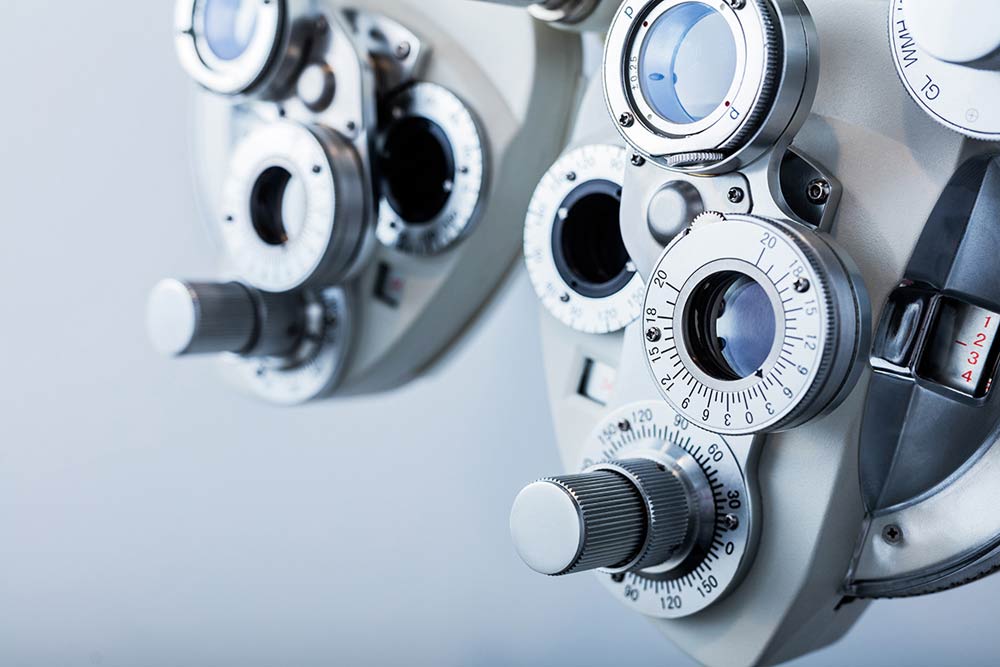
Our eye doctor will check your refractive error to determine if you need corrective lenses or an updated prescription. This part of the exam helps us ensure that you are seeing clearly and comfortably. We use advanced technologies such as an autorefractor to quickly and accurately determine your exact prescription.
Neurolens testing
Neurolens testing helps us assess how your eyes work together and can detect any eye misalignment issues that may be causing headaches, eye strain, or neck and shoulder pain. If necessary, we may prescribe Neurolens to help relieve these symptoms.
Optomap screening photo
The Optomap screening photo provides a detailed image of the back of your eye, allowing us to detect any signs of retinal issues or other conditions that may go unnoticed without this advanced technology.
Peripheral vision screening
Checking your peripheral vision is crucial for detecting conditions such as glaucoma that affect side vision. Our eye doctor uses visual field testing to measure how much you can see out of the corner of your eyes and to check for blind spots.
Binocular vision screening
Binocular vision screening assesses how well your eyes work together as a team. This is important for tasks such as reading and driving, as poor binocular vision can lead to eye strain and discomfort.
Dilated ocular health exam
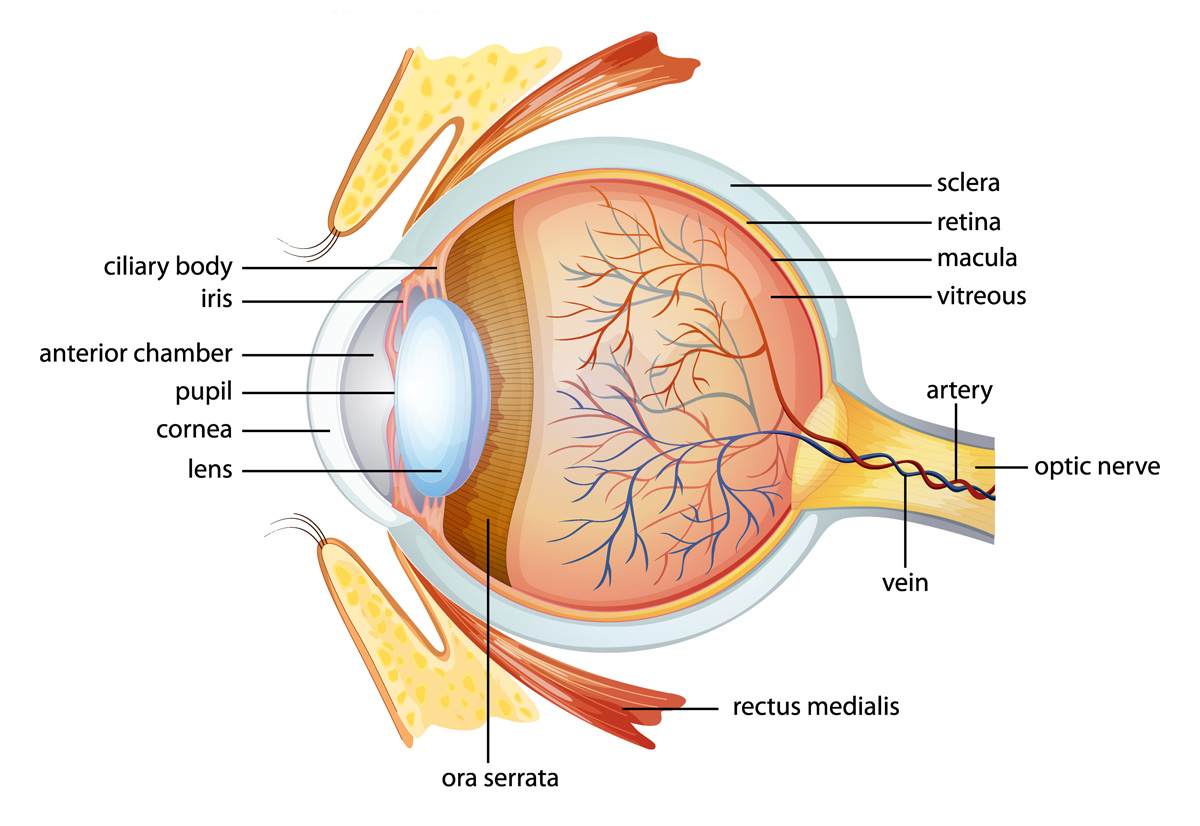
By dilating your pupils, our optometrist can get a better view of the inside of your eyes to check for signs of diabetes, high blood pressure, and other health issues.
Eye pressure testing
Elevated intraocular pressure can be a sign of glaucoma, a serious eye disease that can lead to blindness if left untreated. Regularly monitoring your eye pressure during a comprehensive eye exam is crucial for early detection and management.
Optical coherence tomography angiography (OCT-A)
Our optometrist uses OCT-A to map the tiny blood vessels inside your retina in extraordinary detail, revealing signs of disease often years before symptoms appear. Unlike traditional angiography, there are no dyes or injections: just a quick, comfortable scan that takes seconds per eye. OCT-A can detect and monitor conditions such as:
- Macular degeneration
- Diabetic eye disease
- Retinal vascular conditions linked to high blood pressure, high cholesterol, and cardiovascular disease
The level of detail it gives us means we can find problems earlier, keep a closer eye on changes over time, and make better decisions to protect your vision.
How often should you get your eyes checked?
Routine eye exams are essential for maintaining clear vision and catching problems early, even if you don’t wear glasses or contacts and your eyes feel completely fine. Based on guidelines from the American Optometric Association,² here is how often we recommend scheduling an exam at each stage of life:
- Ages 18 to 39: Schedule a comprehensive eye exam at least every two years. If you wear corrective lenses or have risk factors such as a family history of eye disease, diabetes, or high blood pressure, annual exams are recommended.
- Ages 40 to 64: Get your eyes examined at least every two years, or annually if you have risk factors or wear corrective lenses. This is also the stage when many patients begin noticing changes in their near vision—a common condition known as presbyopia. Starting around age 40, the lens of the eye gradually loses its flexibility, making it harder to focus on close-up tasks like reading or using a phone. Our eye doctor will evaluate you for presbyopia and discuss the most comfortable and effective options for your lifestyle.
- Age 65 and older: Annual eye exams are strongly recommended, as the risk of age-related conditions such as macular degeneration, cataracts, and glaucoma increases significantly with age. Regular monitoring allows us to detect changes early and protect your long-term vision.
If you notice any vision changes or experience symptoms like dryness, discomfort, blurred vision, or frequent headaches, don’t wait for your next scheduled exam. Contact our office in Lakeport, and we will get you in as soon as possible.
Schedule an eye exam in Lake County
Healthy eyes start with regular care, and we are here to make that as easy as possible. Our team at Konocti View Optometry genuinely enjoys getting to know our patients and helping them see their best at every age and stage of life.
If you are ready to schedule your next comprehensive eye exam in Lakeport, we would love to hear from you.
How much is an eye exam?
Eye exam costs vary based on the type of exam and any additional testing required. A routine exam may differ in price from a comprehensive exam that includes OCT-A imaging, Neurolens testing, or other diagnostic screenings. We recommend calling our office to discuss what is included and what your out-of-pocket cost may be.
How long does an eye exam take?
A comprehensive eye exam at our office typically takes 45 minutes to an hour, depending on the tests performed and any additional screenings needed. If your pupils need to be dilated, plan for a little extra time as dilation takes approximately 15–20 minutes to take full effect.
Will my eyes need to be dilated?
Not necessarily. At Konocti View Optometry, we use Optomap retinal imaging, which captures a wide-angle view of the back of your eye quickly and comfortably, without the need for dilating drops in many cases.
Traditional dilation allows our eye doctor to examine the retina, optic nerve, and blood vessels in detail to check for conditions like glaucoma, macular degeneration, and diabetic eye disease, and the Optomap gives us much of that same visibility in a fraction of the time. In some situations, dilation may still be recommended depending on your eye health history or what we observe during your exam. We will always discuss this with you in advance and answer any questions you have before proceeding.