
Call
Text
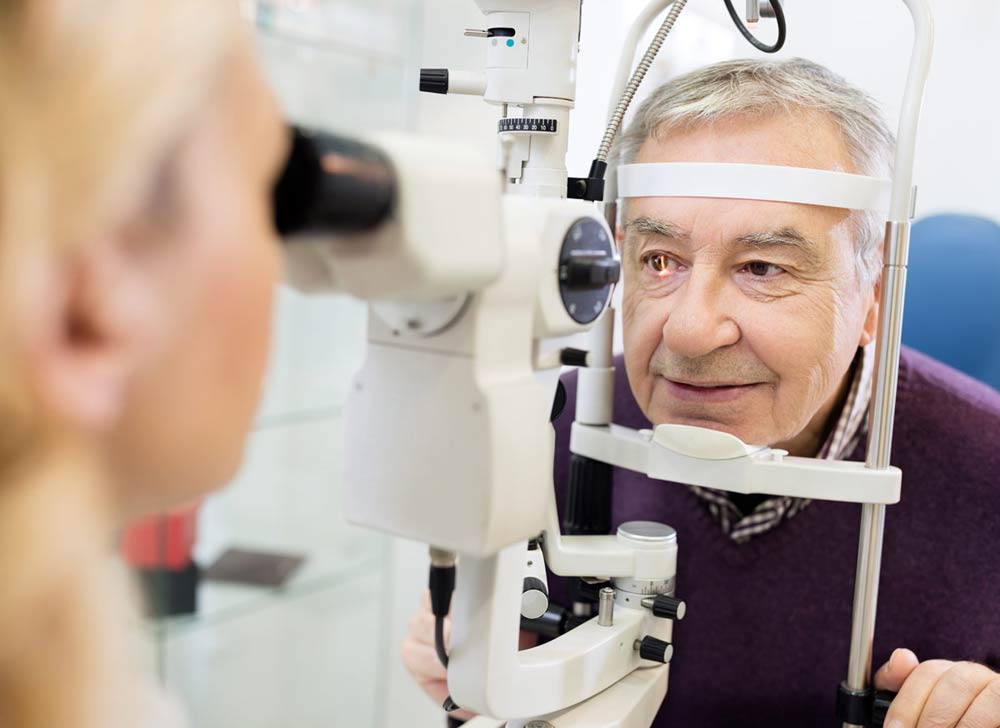
Diabetic Eye Exam in Lakeport
Diabetes can affect various parts of the body, including your eyes. Yet, more than one-third of Americans aren’t aware that a comprehensive eye exam is the only reliable way to detect whether diabetes could lead to vision loss.¹
At Konocti View Optometry, we offer diabetic eye exams in Lake County as part of our comprehensive eye care services, helping to catch early signs of eye disease and protect your long-term vision.
Importance of regular diabetic eye exams
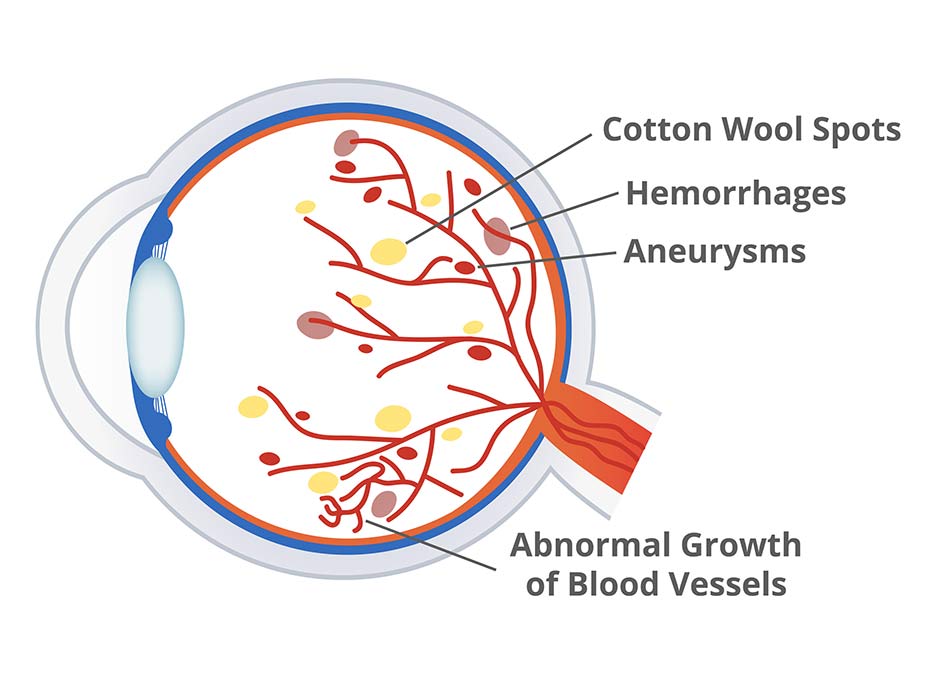
Diabetes is a systemic disease that affects how your body processes sugar (glucose). When blood sugar levels are not well controlled, it can lead to damage in blood vessels throughout the body, including those in the eyes.
One common eye complication of diabetes is diabetic retinopathy, the leading cause of blindness in working-age Americans.² It occurs when high blood sugar levels damage the tiny blood vessels in the retina and can lead to permanent vision loss if left untreated. With early detection and treatment, up to 90% of people with diabetes can prevent or delay vision loss from diabetic retinopathy.³
Diabetes can also increase the risk of other eye conditions such as cataracts and glaucoma. Anyone can develop these conditions, but they can occur at a much earlier age when you have diabetes. Regular diabetic eye exams at Konocti View Optometry allow our eye doctor to monitor your overall eye health and address any concerns that may occur.

EyePromise® DVS: Targeted nutrition for diabetic eye health
Having diabetes raises your risk of developing vision complications, including diabetic retinopathy. EyePromise® DVS is formulated with key antioxidants to improve visual function and support retinal health without impacting normal blood sugar levels.
order now
Testing for diabetic eye disease
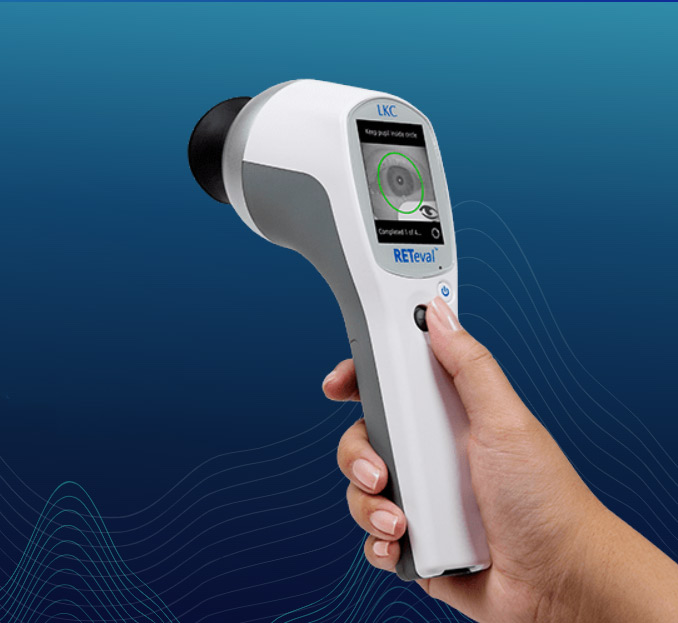
Every diabetic patient receives widefield retinal photography (Optos imaging) as a baseline to document and monitor the health of the retina. For patients with diabetic retinopathy, we go further with a comprehensive suite of advanced imaging:
RETeval® ERG
Optical coherence tomography (OCT) of the macula
OCT Angiography (OCT-A)
Treatment for diabetic eye disease
There is no cure for diabetic eye disease, but with the right care, you can prevent vision loss and stop its progression. If diabetes is affecting your eyes, our eye doctor may recommend lifestyle changes to help manage your diabetes and protect your eyesight. This could include:
- Controlling your blood sugar levels through diet and exercise
- Monitoring your blood pressure and cholesterol levels
- Quitting smoking if applicable
- Maintaining a healthy weight
It’s also important to schedule regular eye exams to track how the disease is progressing. When treatment is necessary, Dr. Boyd works closely with North Bay Vitreoretinal Consultants to ensure you receive the specialized care you need.
Schedule a diabetic eye exam in Lakeport
If you have diabetes, make sure to prioritize your eye health by scheduling regular diabetic eye exams at Konocti View Optometry. Our experienced optometrist is committed to helping you maintain optimal vision and prevent serious complications related to diabetes. Schedule your diabetic eye exam in Lakeport today!
Diabetic eye exams FAQ
Managing diabetes includes keeping a close eye on your vision, but many people have questions about what that entails. Below are some frequently asked questions about diabetic eye exams and diabetic retinopathy to help you understand the process, why early detection matters, and how proper care can protect your eyesight.
What is a diabetic eye exam?
A diabetic eye exam is a detailed check of your eye health to detect early signs of diabetes-related damage, often before symptoms appear. This exam can catch conditions such as diabetic retinopathy, cataracts, and glaucoma early, helping prevent vision loss.
How much does a diabetic eye exam cost?
Costs vary depending on your insurance and the tests needed. Most medical insurance plans cover annual diabetic eye exams because they’re considered medically necessary. Contact Konocti View Optometry for details on pricing and coverage.
What does a diabetic eye exam consist of?
A diabetic eye exam often includes retinal imaging and a dilated eye exam to assess the retinal blood vessels. These exams can reveal early signs of diabetic retinopathy, diabetic macular edema, cataracts, and glaucoma.
At Konocti View Optometry, we use specialized tests such as RETeval® ERG to assess the retina’s electrical activity. This test helps us spot problems long before you notice symptoms.
How long does a diabetic eye exam take?
Most diabetic eye exams take 30–60 minutes, depending on the testing required. Our RETeval® ERG testing is quick and non-invasive, adding valuable insight without extending your visit.
What is diabetic retinopathy?
Diabetic retinopathy occurs when high blood sugar damages the tiny blood vessels in your retina. Without treatment, it can lead to permanent vision loss and blindness.⁴
Can diabetic retinopathy be reversed?
While diabetic retinopathy can’t typically be reversed, early detection and proper management can slow its progression and help preserve your vision. Early detection is key to preventing serious vision loss.
What is the first sign of diabetic retinopathy?
In its early stages, diabetic retinopathy often has no noticeable symptoms, which is why we recommend regular eye exams to catch it early on. Some people may notice vision changes, such as difficulty reading or seeing faraway objects.⁴
How is diabetic retinopathy treated?
Treatment depends on the severity and type of diabetic retinopathy.⁵ Mild cases may only require lifestyle management, including blood sugar control, diet, and exercise. Advanced cases may need interventions like eye injections, laser therapy, or surgery.