
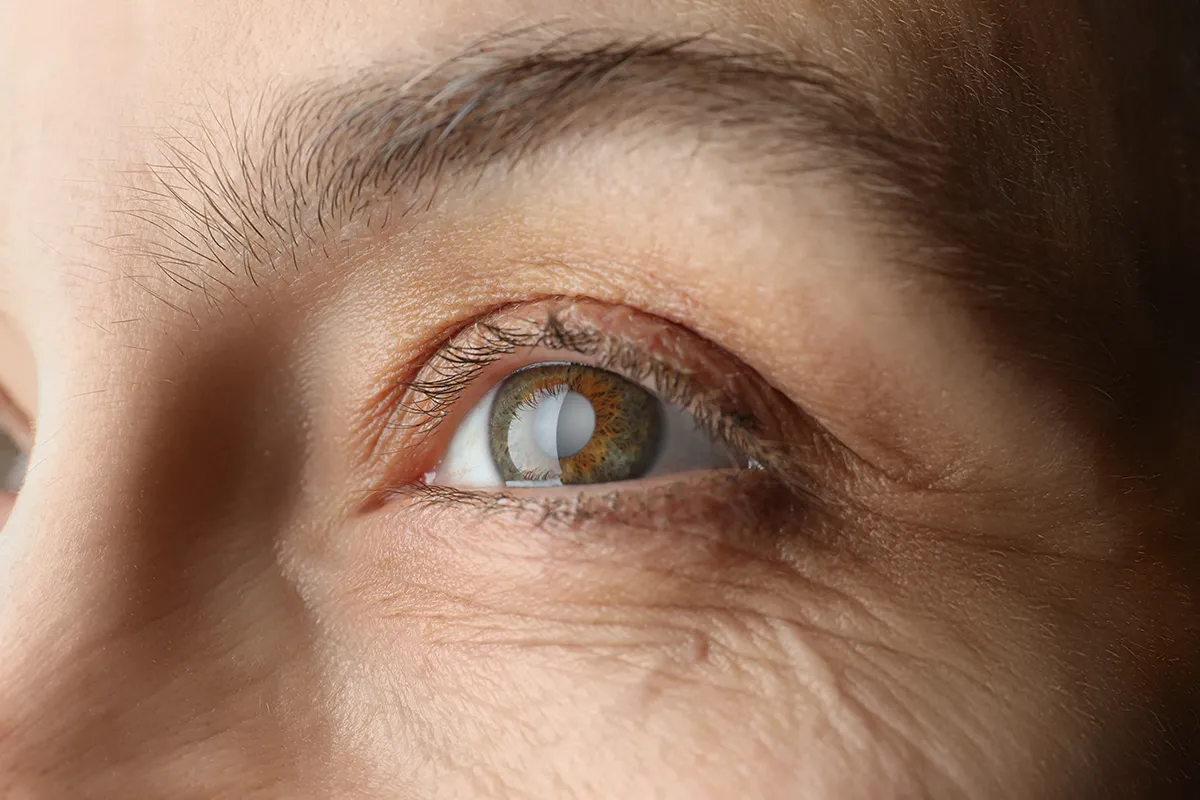
It might start with something small, like squinting a little more while reading a book at night or noticing that street signs are harder to read when you’re driving after dark. Maybe you’ve even cleaned your glasses a few extra times, thinking that smudge or blur just won’t go away.
These subtle shifts are often brushed off as normal aging, but they can also be early signs of cataracts developing in the eyes.
This blog shares some early signs of cataracts that are easy to miss and how they can start to affect everyday routines. It also explains how regular comprehensive eye exams, along with options like glasses, contact lenses, and low vision support, can help keep your vision clearer and more comfortable.
What are cataracts?
A cataract happens when the natural lens inside the eye becomes cloudy over time. That clouding can make vision look less sharp, less vibrant, or slightly blurred.
Many people assume vision changes are just part of aging, but cataracts can create subtle shifts that slowly build over time without being obvious at first.
Early signs of cataracts
Cataracts don’t usually appear suddenly. Instead, the symptoms often get mistaken for everyday vision changes that can happen as people get older. These changes are often easy to overlook because they develop gradually.
Some early signs of cataracts include:
- Needing more light for reading or close work
- Difficulty reading small print, even with your latest prescription
- Vision that feels slightly hazy or “not as crisp”
- Trouble seeing clearly at night or while driving
- Colors appearing less bright than they used to
- Frequent changes in prescription for glasses or contact lenses
- Increased sensitivity to glare or sunlight
What a comprehensive eye exam can reveal
A comprehensive eye exam checks more than just whether you need a stronger prescription. It evaluates the health of the eye’s lens and how clearly light is passing through it.
During an exam with our experienced eye doctor in Lakeport, we may:
- Check for clouding in the lenses of your eyes
- Measure changes in visual clarity
- Evaluate glare sensitivity and contrast
- Assess eye health and look for early signs of eye diseases
This helps determine whether cataracts are developing and how much they may be affecting daily vision.
How to treat cataracts
As cataracts progress, there are several ways to improve comfort and clarity depending on individual needs. Cataract surgery is the only way to remove a cataract, but it may not be necessary right away.
In the earlier stages, updates to glasses, contact lenses, and other vision support options can often help improve day-to-day vision and make things feel more manageable.
Glasses adjustments
In the early stages of cataracts, a change in prescription can often help improve clarity for both near and distance vision. This may make everyday activities like reading, watching TV, or driving feel more comfortable as vision begins to worsen.
Contact lens options
An updated prescription for contact lenses can be another option for patients early on.
Low vision support
As cataracts progress, low vision aids can become helpful for maintaining independence with daily tasks. These tools are designed to enhance usable vision for activities like reading, cooking, and hobbies, even when standard vision correction is no longer enough on its own.
Clearer, more comfortable vision as life changes
Vision changes don’t have to be accepted as something to simply work around. Early detection of cataracts through a comprehensive eye exam can open the door to solutions that improve comfort, whether that’s updated glasses, carefully fitted contact lenses, or support for low vision needs.
With care from a skilled eye doctor, it becomes easier to stay confident in everyday activities like reading, driving, and recognizing faces without second-guessing your vision.
Schedule an appointment at Konocti View Optometry today to check for early cataract changes and explore options that support clearer, more comfortable vision.